
Author name: maha170804@gmail.com

Uncategorized

Email Marketing for Lead Generation: A Powerful Growth Strategy

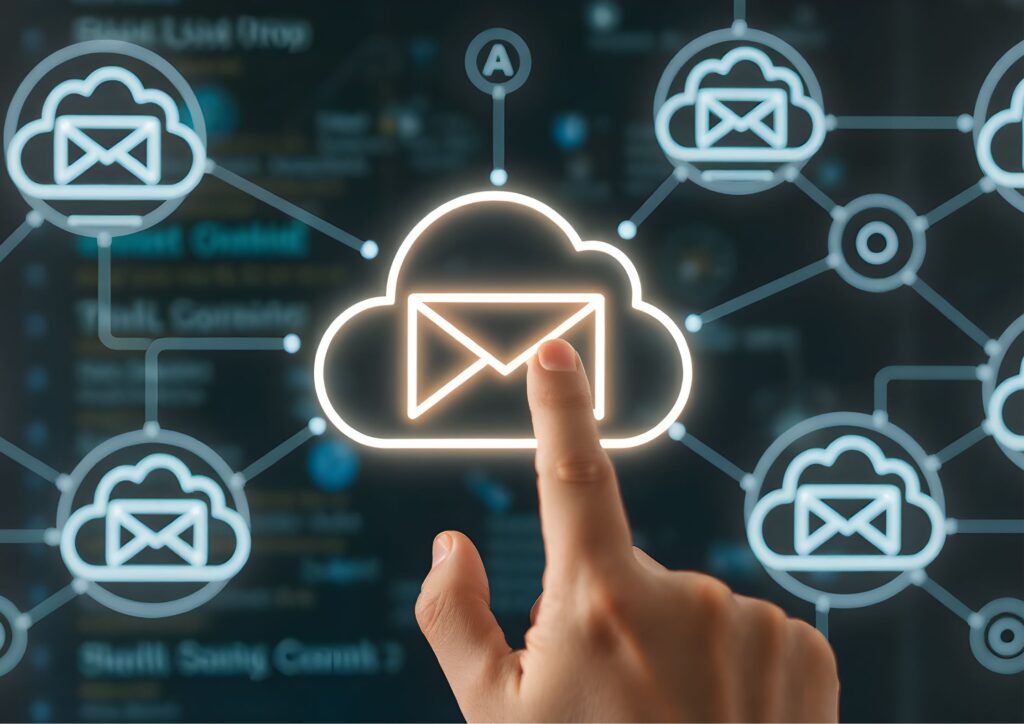
Email marketing remains one of the most effective digital marketing strategies for lead generation, helping businesses connect directly with potential customers in a personalized and cost-effective way. Unlike social media or paid ads, email allows brands to communicate with prospects who have already shown interest, making it a high-converting channel for nurturing and converting leads. At its core, email marketing for lead generation begins with building a quality email list. This is achieved by offering valuable content such as newsletters, eBooks, free trials, webinars, or exclusive discounts in exchange for users’ email addresses. When users willingly subscribe, they signal interest in the brand, making them qualified leads rather than random audiences. Once the list is built, personalized and targeted email campaigns play a crucial role in nurturing leads. Segmenting email lists based on demographics, behavior, or interests allows businesses to send relevant content to the right audience. Personalized subject lines, tailored messages, and value-driven content increase open rates and engagement, gradually guiding leads through the sales funnel. Another important aspect of email marketing is automation. Automated email sequences, such as welcome emails, follow-ups, and drip campaigns, ensure consistent communication without manual effort. These automated workflows help educate leads, build trust, and maintain brand recall over time, significantly improving the chances of conversion. Email marketing also offers measurable results, making it easier to optimize lead generation efforts. Metrics such as open rates, click-through rates, and conversions provide valuable insights into campaign performance. By analyzing this data, businesses can refine their email strategies, improve content, and achieve higher ROI. In conclusion, email marketing is a powerful tool for lead generation when executed strategically. By focusing on list building, personalization, automation, and performance tracking, businesses can attract quality leads, nurture long-term relationships, and drive sustainable growth through effective email campaigns.


Uncategorized

Search Ads vs Display Ads: Understanding the Key Differences

In the world of digital advertising, Search Ads and Display Ads are two powerful tools businesses use to reach their target audience. While both are forms of paid advertising, they serve different purposes and work best at different stages of the customer journey. Understanding the difference between search ads and display ads helps businesses allocate their marketing budget more effectively and achieve better results. Search Ads Search Ads appear on search engine results pages when users actively search for specific keywords or phrases. These ads are intent-driven, meaning they target users who are already looking for a product, service, or solution. For example, when someone searches for “best digital marketing agency,” the ads shown at the top of the results are search ads. Because they target high-intent users, search ads often generate higher conversion rates and are ideal for driving immediate sales or leads. Display Ads On the other hand, Display Ads are visual advertisements that appear on websites, mobile apps, and social media platforms within a display network. These ads include images, banners, videos, or rich media and are shown to users based on their interests, demographics, or browsing behavior rather than active searches. Display ads are highly effective for building brand awareness, increasing visibility, and reminding users about a brand through remarketing campaigns. Search Ads vs Display Ads One major difference between search ads and display ads lies in user intent. Search ads target users who are actively seeking information, making them suitable for bottom-of-the-funnel marketing. Display ads, however, focus on creating interest and awareness among users who may not be actively searching, making them ideal for top-of-the-funnel marketing. As a result, search ads usually deliver faster results, while display ads support long-term brand recognition. Another key difference is ad format and reach. Search ads are text-based and limited to search engine platforms, whereas display ads are visually appealing and reach a broader audience across millions of websites. Display ads allow creative storytelling and visual branding, while search ads rely heavily on keyword relevance and compelling ad copy. In conclusion, Search Ads and Display Ads are not competitors but complementary strategies. Search ads are best for capturing demand and driving conversions, while display ads are effective for generating awareness and nurturing potential customers. A balanced digital marketing strategy that combines both can help businesses maximize reach, improve engagement, and achieve sustainable growth.

Uncategorized

Benefits of Outsourcing Digital Marketing Services

In today’s competitive digital landscape, businesses need a strong online presence to attract, engage, and convert customers. Digital marketing involves multiple activities such as search engine optimization, social media marketing, content creation, paid advertising, and analytics. Managing all these functions in-house can be time-consuming and costly. This is why many businesses choose to outsource digital marketing services to professional agencies to achieve better results efficiently. One of the major benefits of outsourcing digital marketing services is access to expert knowledge and skills. Digital marketing agencies employ specialists in SEO, social media, content marketing, PPC, and performance analytics. These professionals stay updated with the latest industry trends, algorithm changes, and best practices. By outsourcing, businesses gain access to a complete team of experts without the need to hire and train individual employees. Cost-effectiveness is another key advantage of outsourcing digital marketing. Building an in-house marketing team requires significant investment in salaries, tools, training, and infrastructure. Outsourcing allows businesses to choose service packages based on their budget and needs. This helps reduce operational costs while still ensuring high-quality marketing efforts that deliver measurable returns. Outsourcing digital marketing services also helps businesses focus on their core operations. Marketing requires constant planning, execution, monitoring, and optimization. When these responsibilities are handled by an external agency, business owners and internal teams can concentrate on core activities such as product development, customer service, and strategic growth. This improves overall productivity and operational efficiency. Scalability and flexibility are additional benefits of outsourcing digital marketing. As business needs change, marketing strategies must adapt accordingly. Digital marketing agencies can quickly scale campaigns up or down based on market demand, seasonal trends, or business goals. This flexibility ensures that marketing efforts remain aligned with growth objectives without long-term commitments. Another important benefit is access to advanced tools and data-driven strategies. Digital marketing agencies use premium tools for keyword research, competitor analysis, campaign tracking, and performance measurement. These tools help create data-backed strategies that improve targeting, engagement, and conversion rates. Businesses benefit from accurate insights and continuous optimization without investing in expensive software. Outsourcing digital marketing also leads to faster results and consistent performance. Agencies follow structured processes, proven strategies, and industry benchmarks to deliver results efficiently. Regular reporting and performance analysis ensure transparency and accountability. This consistent approach helps businesses achieve steady growth and maintain a strong digital presence. In conclusion, outsourcing digital marketing services offers numerous benefits, including expert support, cost savings, flexibility, and improved focus on core business activities. By partnering with a reliable digital marketing agency, businesses can enhance their online visibility, reach the right audience, and achieve sustainable growth in an increasingly digital world.

Scroll to Top