
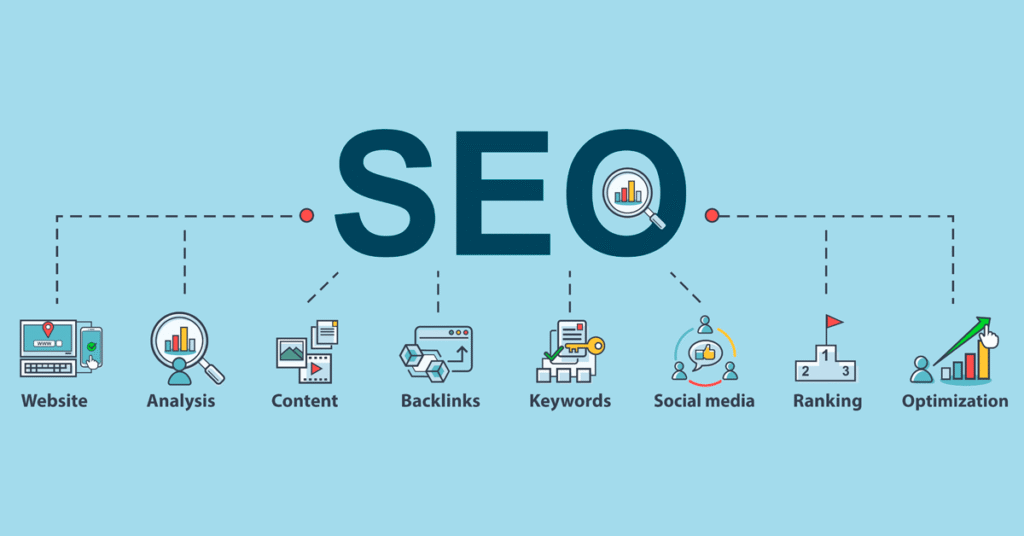
Search engine optimization (SEO) is a crucial digital marketing strategy that helps websites improve their visibility on search engines like Google. SEO is broadly divided into two major components: on-page SEO and off-page SEO. While both aim to improve search rankings and organic traffic, they differ significantly in approach, focus, and execution. Understanding the difference between on-page SEO and off-page SEO is essential for building a strong and sustainable online presence.
On Page SEO
On-page SEO refers to all the optimization activities carried out within a website to improve its search engine rankings. It primarily focuses on making web pages more relevant, user-friendly, and accessible to search engines. Key elements of on-page SEO include high-quality content creation, keyword optimization, meta titles and descriptions, URL structure, internal linking, etc. Search engines analyze these elements to understand what a page is about and how well it matches a user’s search intent. Effective on-page SEO ensures that content is informative, well-structured, fast-loading, and aligned with user expectations, which improves user experience and reduces bounce rates.
Content plays a central role in on-page SEO. Search engines prioritize websites that publish original, valuable, and regularly updated content. Proper keyword placement in headings, subheadings, and body text helps search engines index pages accurately without resorting to keyword stuffing. Technical factors such as page speed, secure HTTPS connections, structured data, and clean site architecture also fall under on-page SEO. When implemented correctly, on-page SEO lays a strong foundation for a website’s overall performance and makes it easier for search engines to crawl and rank the site.
Off Page SEO
Off-page SEO, on the other hand, involves activities performed outside the website to improve its authority, credibility, and trustworthiness. The primary goal of off-page SEO is to signal to search engines that the website is valuable and reliable based on external validation. The most important off-page SEO factor is link building, which involves acquiring high-quality backlinks from reputable and relevant websites. Backlinks act as votes of confidence, indicating that other websites trust the content enough to link to it. However, the quality of backlinks matters more than the quantity, as links from low-quality or spammy sites can harm rankings.
In addition to backlinks, off-page SEO includes social media engagement, brand mentions, influencer outreach, online reviews, and local business listings. Active participation on social platforms helps amplify content reach and attract referral traffic, while positive reviews enhance online reputation and local SEO performance. Brand mentions, even without clickable links, contribute to search engine trust signals. Off-page SEO takes time to show results, but it plays a vital role in building long-term domain authority and competitive strength.
In conclusion, on-page SEO and off-page SEO are complementary strategies that work together to improve search engine rankings. On-page SEO ensures that a website is optimized, relevant, and user-friendly, while off-page SEO builds credibility and authority through external signals. A successful SEO strategy requires a balanced approach that combines strong on-page optimization with consistent off-page efforts. When both are implemented effectively, they help websites achieve higher rankings, increased organic traffic, and sustained online growth.